

How did Samurai Culture Influence Traditional Japanese Jewelry?
When we hear the word "samurai," we often picture skilled swordsmen clad in strong armor. Yet, beyond the glint of swords and stern expressions, there is a lesser-known story—one that winds through the world of traditional Japanese jewelry. How did these warriors, famous for their fighting skills, come to shape such delicate art? The connection is rooted deeply in history and culture, by the samurai's special way of seeing beauty and their love for the arts.
Samurai Aesthetics: Beauty Beyond Battle
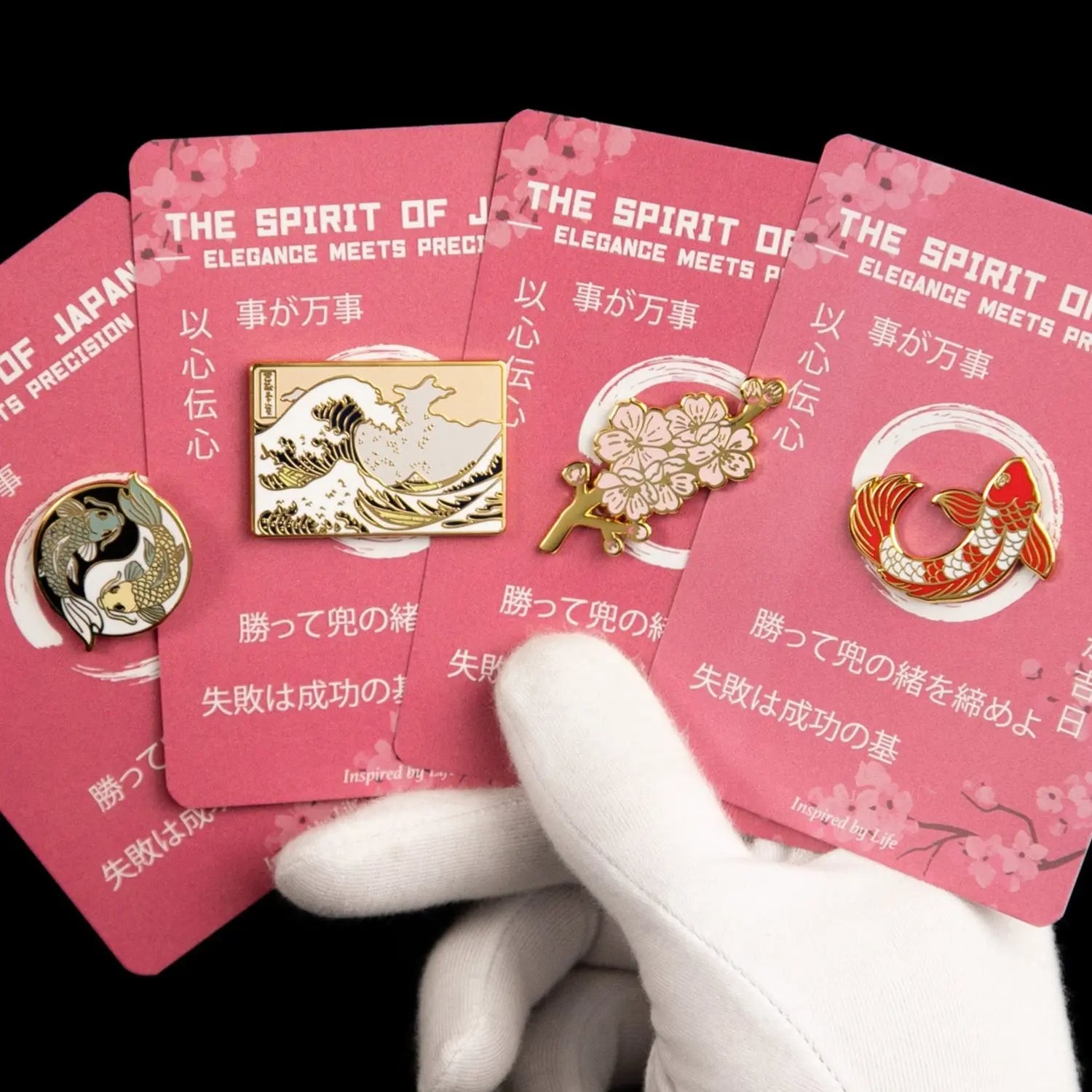
In the Edo period, when peace flourished after years of conflict, samurai culture shifted. It wasn’t only about fighting anymore but also about supporting the arts. Samurai ideals of simplicity and elegance showed not just in their lives but also in their view of beauty. They embraced Zen aesthetics, values like purity and fleeting moments, much like the sakura, or cherry blossom. This bloom, so often found in jewelry, is a symbol of beauty and life’s transience.
Consider the chrysanthemum, a common design in samurai jewelry. It’s both strong and delicate, like the samurai spirit. Jewelry from that era used these motifs, focusing on elegance and taste rather than showiness.
From Gear to Art
What makes jewelry truly samurai? It’s more than just symbols. It’s also the skilled craft that was crucial to samurai gear, like sword hilts and armor—both useful and artistically detailed. These high standards extended to jewelry making. Holding one of these pieces isn't just holding metal; it’s holding a story.
This detailed craftsmanship crossed into personal adornments. Jewelry became a medium for samurais to tell stories of bravery, loyalty, and family heritage. A ring might hide a clan’s emblem, a pendant might relay tales of courage. Every piece, though small, was rich with meaning.
The Practical Beauty of Samurai Jewelry
Samurai jewelry wasn’t just for looks. Like their armor and weapons, it was also practical. In a society ruled by roles and rank, such dual-purpose pieces not only served a function but also signified social status and personal narratives.
With this clever craft, samurai jewelry was more than an accessory. It held identity—a blend of function and beauty. It was art in a secret form.
Echoes of Samurai in Modern Jewelry Design

Today, the touch of samurai tradition is still felt in modern jewelry. Artisans continue to draw on these old practices, blending history with today's styles. Curious about how the past blends with the present? Check out the Samurai Sword Enamel Pin – Katana Design. It's a small, contemporary tribute to an era where each piece told a story and samurais combined art with identity.
The whispers of traditional Japanese jewelry shaped by warriors who found poetry even amidst battle are still alive. Today’s jewelry still mirrors timeless values of simplicity, elegance, and deep symbolism, giving us a peek into a world where beauty and strength were equally cherished.
So next time you admire a piece of jewelry, think about the narrative it holds. Who inspired its creation? What history does it hide? You might uncover the samurai spirit within, sharing tales from the past.
What period did samurai influence jewelry the most?
The Edo period, a time of peace after years of conflict, is when samurai aesthetics significantly influenced jewelry.
What is a common symbol in samurai jewelry?
The chrysanthemum is common in samurai jewelry, symbolizing both strength and delicacy like the samurai spirit.
How is samurai tradition seen in modern jewelry?
Modern jewelry still reflects samurai traditions, blending historical design with contemporary styles, like our Samurai Sword Pin.